


Town Building Life Simulator
4.21.18K Reviews
App Specs
- Version
- 4.1.5
- Updated On
- License
- Free
- Downloads
- 100,000,000+
- Developer
- XGame Global
- Categories
- Simulation
- Platform
- Android
Screenshots
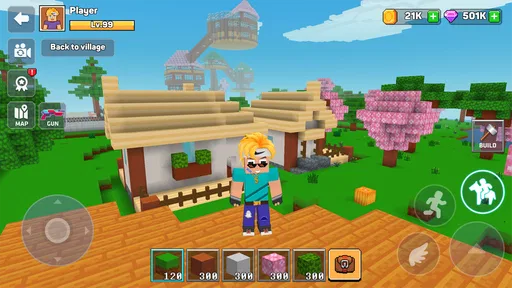
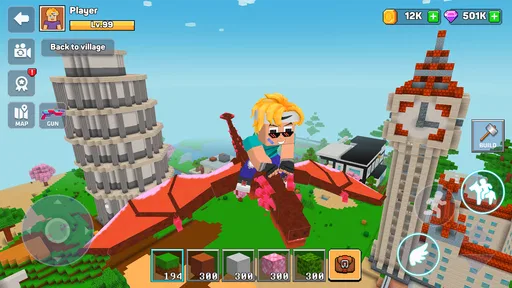
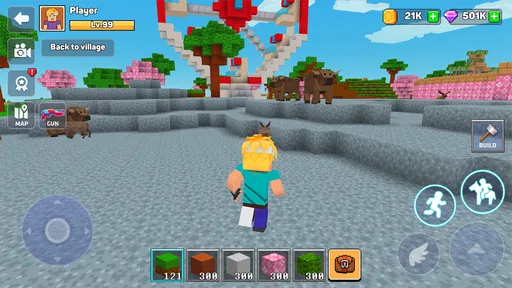
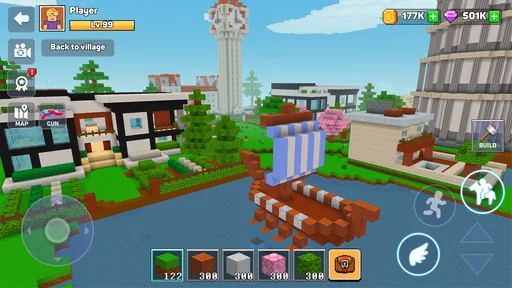
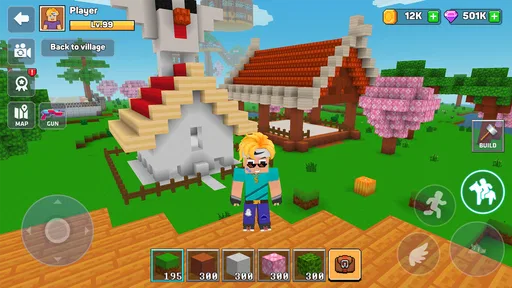
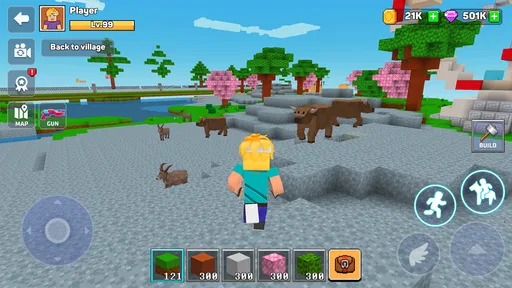
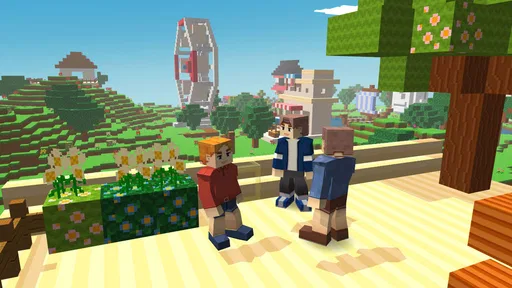
 Analysis by AppCompare
I judge a town-building game less by how many structures it offers than by how much room it gives me to decide what kind of place I want to make. The appeal of Town Building Life Simulator is that open-ended act of shaping a settlement: I can think about where the town should grow, what deserves priority, and how its parts fit together. That makes it a better match for players who enjoy making their own plans than for anyone looking for a tightly scripted campaign with a single right route.
As a free simulation game from XGame Global, it has drawn a sizeable audience: it has over 100 million installs and an average rating of 4.2 from around 179,000 ratings. Those figures tell me it has broad appeal, but the more useful question is whether its pace and building focus suit your habits. I see it as a game to return to in short sessions, make a few deliberate choices, and gradually give a small settlement a clearer identity.
What the open-ended building changes
The strongest idea here is not simply placing buildings; it is having latitude to set priorities. The game starts you with a small plot and limited resources, so expansion involves choices rather than unrestricted decoration. A residential-first plan and a more industry-focused layout give your town different emphasis, and that freedom makes each building decision feel like part of a larger picture.
That flexibility is satisfying, but it also asks you to supply some of your own goals. If you enjoy deciding what “successful” means for a town, you can set a direction and adjust it as the settlement develops. If you prefer a clearly marked sequence of missions that tells you exactly what to build next, the looser approach may feel less motivating. I would start with one simple priority instead of trying to develop every part of town at once.
How I would approach a building session
The introductory guidance is straightforward, which helps new players get past the basic setup without being buried in explanations. Once that support gives way to the main decisions, I find it useful to pause before spending resources: decide whether the next step should support residents, add a different kind of activity, or help the town grow in a balanced way. That small planning habit makes the limited starting resources feel like a meaningful constraint rather than a nuisance.
A practical routine is to make one change, look at how the town feels afterward, and then choose the next move. It is tempting to treat every available building as an immediate target, but spreading attention too thin can make progress feel scattered. I would keep a rough mental plan—what the town needs now, what can wait, and what kind of place I want it to become—rather than chasing every possibility at once.
Why the growing-town challenge matters
Building is only part of the loop. As the settlement expands, the game brings in resource management, citizen happiness, and unexpected events such as natural disasters. Those pressures give the layout decisions more weight: growth is not just making the map busier, but keeping an eye on whether the town can continue to thrive. Rewards for getting through challenges provide a reason to keep developing rather than stopping once the first few structures are in place.
Worth Reading Before You Choose

Baby Panda World Brings Quick Play to Modern Phones, but Its Game Library Feels Busy

ESPN’s Live Game View Makes Following Close Games Easier

QuizzLand Review: A Good Fit for Short Trivia Breaks, Not Every Player

Basketball Stars: Multiplayer Is Fast, but Can It Recover When Matches Go Wrong?

WEBTOON Turns Phone Updates Into a Better Reading Routine

Link to Windows Runs on Shared Habits, Not Social Feeds
This creates a useful trade-off for players who like management games. The freedom to choose a direction is appealing, while the need to handle several demands means that a pretty layout is not the only measure of progress. I would treat setbacks as a prompt to reconsider priorities, not as proof that the whole plan has failed. If you mainly want a calm decorating sandbox with no interruptions or management pressure, this balance may be less relaxing than you expect.
A social layer, with a practical caveat
The game also offers ways to interact with other players, including trading resources, visiting towns, and joining special events. That can be useful when I want fresh ideas or a reason to compare approaches rather than treating my own settlement as the entire experience. Sharing strategies may also help newcomers find a comfortable way into the management side.
Still, I would not choose it solely for social play. The town-building decisions are the core attraction, and the community features make more sense as an extra layer than as a substitute for that loop. If you prefer to play independently, the building and management focus can still be the main draw; if visiting other towns is your priority, it is worth checking that this style of interaction is what you want from a simulation game.
Where it fits among mobile alternatives
Compared with a purely decorative builder, this game puts more emphasis on resources, residents, and responding to events. Compared with a more rigid management strategy game, its appeal is the freedom to shape a town without following one fixed development route. That middle ground is exactly what I would look for if I wanted creative control with some practical decisions attached, but it will not satisfy someone who wants either uninterrupted decoration or deep, highly structured planning above all else.
It is free to download, with optional in-app purchases priced from $0.99 to $99.99 per item. I would begin without spending: the purchase options are not necessary to try the central building idea, and it is sensible to learn the game’s pace before deciding whether any paid resource boost is worthwhile to you. The Teen age rating is another useful point for families choosing a game, while the current version is 4.1.5 and it runs on Android 8.0 or later.
First Impressions Matter
When I first launched the Town Building Life Simulator, I was immediately struck by its vibrant graphics and intuitive interface. The colors are bright and welcoming, inviting you to dive into the world of town creation. The tutorial is straightforward, guiding even the most novice players through the basics of building their first few structures. It's like having a friendly guide who doesn't overwhelm you with information but instead lets you explore at your own pace.
Building Your Dream Town
Once you get past the initial setup, the real fun begins. You start with a small plot of land and a handful of resources. Your task is to manage these wisely to expand your town. The game offers a plethora of buildings to choose from, each serving a specific purpose. Whether it's a quaint little bakery or a majestic town hall, every structure adds a unique touch to your growing cityscape.
One of the things I love about this game is the freedom it offers. Want to prioritize residential areas to attract more citizens? Go for it! Prefer to create a bustling industrial zone? The choice is yours. The game doesn't impose a linear path, allowing you to carve out your town's destiny however you see fit.
Challenges and Rewards
The Town Building Life Simulator isn't just about construction; it's about thriving. As your town grows, you'll face challenges like managing resources, keeping your citizens happy, and dealing with unexpected events like natural disasters. These elements add layers of complexity that keep the gameplay exciting and engaging.
Successfully overcoming these hurdles earns you rewards, which you can use to further enhance your town. There's a real sense of achievement as you watch your efforts pay off, and your town transforms from a humble start to a thriving metropolis.
Interactive Community
One of the standout features of the game is its community interaction. You can connect with friends and other players to trade resources, visit each other's towns, and even collaborate on special events. This social aspect adds a new dimension to the game, making it more than just a solitary experience.
Being part of a community also means you can share tips and strategies, making the learning curve less steep for newcomers. It's a fantastic way to meet like-minded individuals who share a passion for town building and strategy games.
A Few Quirks
No app is perfect, and the Town Building Life Simulator is no exception. Occasionally, I found the game to be a bit slow when loading larger towns. However, these instances were rare and didn't significantly detract from the overall experience. The developers are actively working on updates, which is reassuring for those concerned about long-term playability.
Another point to consider is the in-app purchases. While the game is free to download, there are options to buy additional resources. These aren't necessary to enjoy the game but can enhance your experience if you're willing to spend a little extra. It's a common model in mobile gaming, and thankfully, the game doesn't aggressively push purchases on you.
Final Thoughts
All in all, the Town Building Life Simulator is a gem in the world of mobile gaming. It's perfect for anyone who enjoys a mix of creativity and strategy, with a dash of social interaction. Whether you're playing a few minutes a day or spending hours crafting the perfect town, this game offers something for everyone.
So, if you're ready to unleash your inner city planner, give the Town Building Life Simulator a try. It's a delightful escape that might just become your next mobile obsession. Happy building!
For an everyday session, I would treat it as a small planning break rather than a game that needs a long uninterrupted visit. After school, work, or a commute, I might check the settlement, decide which need matters most, and make one considered change before putting the phone away. That approach suits the gradual town-growth loop and keeps me from spending resources impulsively just because another building is available. It also makes it easier to notice whether my choices are helping the town feel more coherent.
Small decisions that make the town easier to manage
One useful habit is to think in terms of a next step instead of a complete master plan. A town can change as its needs change, so I would avoid committing all my attention to a single ideal layout before I understand how the challenges affect it. Keep a mental note of what you are trying to improve, then check whether the next building or adjustment supports that goal. This is a low-effort way to make the open-ended design feel purposeful without turning a mobile game into homework.
I would also resist measuring progress only by how quickly the map fills up. Since resources, happiness, and disruptive events are part of the experience, steady development is a more sensible target than placing as many structures as possible. When an event interrupts a plan, use it as a reason to reassess what the town needs rather than automatically expanding in the same direction. That is where the management side can make a session more interesting than simple placement.
Who should make room for it
I think this is a good fit for someone who likes returning to a project and seeing it take shape over time. It is especially appealing if you enjoy choosing between competing priorities, making a town reflect your preferences, and occasionally comparing ideas with other players. The combination of creative control and light strategic pressure gives it more purpose than a decoration-only experience, while its approachable opening makes it less intimidating than a dense city-management game.
I would suggest skipping it if you want a fast action game, a tightly directed story, or a builder where every session is just placing scenery without worrying about resources or residents. It is also not my first pick for someone who dislikes gradual progress or prefers a clear checklist of objectives. In those cases, a focused puzzle game, an action title, or a more structured management simulator may be a better use of your time than trying to make this flexible format fit.
For younger players, the Teen rating is worth considering alongside the game’s social features and the possibility of optional purchases. I would make purchase expectations clear before handing over a device, especially because individual items can range from under a dollar to nearly a hundred dollars. That does not mean spending is required to enjoy building; it simply makes a quick conversation about in-app buying a sensible part of setting up the game.
A grounded choice for a particular mood
The game has been available since November 2, 2020, and its continued presence alongside a large player base suggests it has found a lasting audience. I would not treat popularity as a guarantee that every part will suit me, though. The most convincing reason to try it is the specific mix of town design and management, not the size of its audience. Its 1.2 thousand reviews offer another point of context, but my recommendation depends more on whether you want an adaptable building project than on any single store statistic.
My overall take is that Town Building Life Simulator works best when I approach it with a modest plan and let the town grow in stages. It gives creative players room to choose a direction, then asks them to care about resources and residents as that direction develops. There are trade-offs: the open-ended structure can feel vague if you need constant objectives, and larger towns may occasionally load slowly. If those limits sound manageable and you like checking in on a project you can shape yourself, I would give it a try; if you want a more scripted or purely relaxing alternative, I would look elsewhere.
Pros
- Intuitive building mechanics enhance user experience.
- Rich variety of customization options available.
- Engaging storyline keeps players invested.
- Realistic day-night cycle adds immersion.
- Supportive community fosters collaboration.
Cons
- In-app purchases can become costly.
- Occasional lag on older devices.
- Limited offline functionality.
- Tutorial is a bit lengthy and detailed.
- Updates are sometimes delayed.
FAQs for Town Building Life Simulator
What is the main objective of the Town Building Life Simulator?
The main objective of Town Building Life Simulator is to create and manage your own virtual town. Players are tasked with designing the town, building structures, and ensuring the happiness of residents. The game combines elements of strategy and creativity, allowing players to experience the challenges and rewards of town management in a vibrant, immersive environment.
Is Town Building Life Simulator free to play?
Town Building Life Simulator is free to download and play, but it offers in-app purchases for those who wish to enhance their gameplay experience. These purchases can include special building packs, decorative items, or currency boosts. However, players can enjoy the full game without spending money, as all essential features are accessible for free.
What are the system requirements for Town Building Life Simulator?
For Android users, the game requires Android 5.0 or higher, while iOS users need iOS 11.0 or later. It’s recommended to have at least 2GB of RAM for optimal performance. The game also requires a stable internet connection for certain features, such as saving progress and participating in community events.
Does Town Building Life Simulator offer multiplayer features?
Yes, Town Building Life Simulator includes multiplayer elements, allowing players to visit each other's towns, participate in global events, and share resources. This social interaction enriches the gameplay by fostering a sense of community and competition among players, encouraging them to collaborate and showcase their creativity.
How does Town Building Life Simulator handle updates and new content?
The developers frequently release updates to introduce new content, fix bugs, and enhance the gaming experience. Players can expect seasonal events, new building themes, and special challenges. Updates are automatically prompted through the app store, ensuring that players have access to the latest features and improvements.


